
Delhi Police Tells SC Reel Makers Aren't Journalists

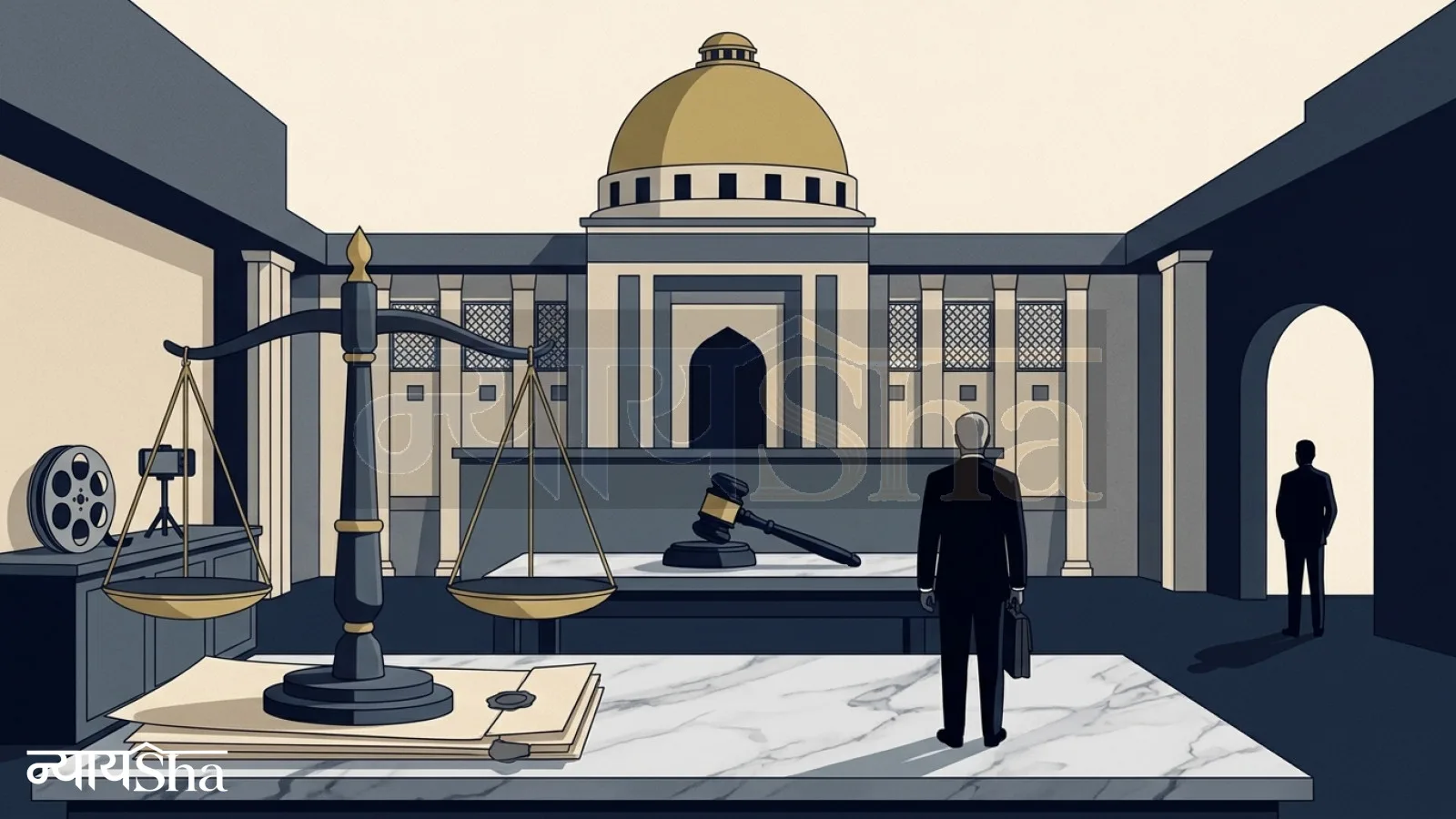
The Delhi Police has informed the Supreme Court that its earlier assurance to protect journalists covering protests against Chief Election Commissioner Gyanesh Kumar was never meant to extend to "so-called reel makers and social media influencers."
In a counter-affidavit filed before the apex court, the force said several participants in what it termed "illegal protests" were content creators shooting YouTube reels while carrying cameras and microphones, making it hard for personnel on the ground to tell genuine reporters apart from influencers.
Police Question Status Of Reel Makers
The Delhi Police submitted that it remains an open question whether "reel-makers can be elevated to the status of journalists or reporters." It clarified that this distinction was drawn only to explain the operational difficulty faced by officers while policing large crowds, and not to stop content creators from carrying on their work.
According to the police, the guidelines issued for journalists covering protests were designed to separate professional reporters from individuals using cameras and microphones for other purposes, including commercial exploitation of footage.
The affidavit was filed by Joint Commissioner of Police Surrender Kumar, in response to petitions moved by the Network of Women in Media, Free Speech Collective, Delhi Union of Journalists and the Kerala Union of Working Journalists, alleging police misconduct against reporters covering the anti-CEC demonstrations.
The October 11 Order And Its Scope
The police relied on the Supreme Court's October 11, 2026 order, which had recorded the Solicitor General's assurance that lawyers, journalists and other professionals would not be obstructed from discharging their professional duties at the protest sites.
It argued that this assurance was meant solely to safeguard working journalists and was never intended to shield reel makers, social media influencers or "unruly elements" from general law or from lawful directions issued by law enforcement at a prohibited assembly.
The affidavit insisted that no restriction had been placed on citizens' right to report or share information, and that nobody had been proceeded against merely for lacking press accreditation or an identity card. It maintained that restrictions at the protest venues applied uniformly to everyone present, regardless of whether they claimed to be journalists.
Defence Of The October 5 Advisory
The Delhi Police also stood by its October 5 advisory laying down guidelines for journalists covering protests. The advisory requires reporters to carry valid identity cards from their organisations or accreditation issued by the Press Information Bureau (PIB) or the Directorate of Information and Publicity (DIP), to keep these visibly displayed, to avoid obstructing police operations, and to maintain a safe distance during volatile situations.
The police described the advisory as facilitative and precautionary, meant to help officers identify genuine journalists and ensure their safety while they work. It clarified that lacking formal PIB accreditation would not by itself stop a journalist from being identified and assisted — an identity card from the journalist's employer would also suffice.
The affidavit cited the Central Media Accreditation Guidelines, 2022, which lay down objective criteria for defining a working journalist, including journalism being their principal occupation and their association with a recognised news organisation. It also referred to the Press Council of India's October 15 guidelines on covering protests, which address professional conduct, identification, crowd safety and responsible reporting.
Police Deny Obstructing Or Harassing Journalists
Rejecting claims of deliberate interference, the Delhi Police said no coordinated effort was made to prevent journalists from doing their jobs. It added that any journalist mistakenly removed from a protest site due to confusion over identity was released as soon as their credentials were verified.
The force pointed to the wide circulation of protest videos on social media and their broadcast by national and international outlets as proof that journalists were not stopped from witnessing or reporting events.
On complaints by women journalists following the October 3 protests near Jantar Mantar, the police said four complaints were received and sent to the Crime Branch for inquiry. It claimed that subsequent examination, including a review of CCTV footage, did not support the specific allegations of sexual harassment.
The Delhi Police further denied that any media equipment belonging to journalists had been seized during the protests.
Related Reads
- Supreme Court Flags Prima Facie Contempt Over Metro Shutdown During October 10 Protests
- Supreme Court Lets Off TN Police Officer With Caution, Wipes Clean Harsh Madras HC Remarks
- Supreme Court Revokes Pre-Arrest Bail For Karnataka SP In Lokayukta Extortion Case, Says Police Rank Carries No Immunity
- Delhi Government Granted Control Over Services Except Land, Police and Law & Order: Supreme Court
- Supreme Court rejects ED's Plea challenging Bail Granted to Ex Mumbai Police Chief Sanjay Pandey
Follow Nyaysha
Fresh legal updates across our platforms — follow wherever you already scroll.
LinkedInJudgments, appointments & career moves — for professionals Follow Instagram@nyaysha.in — visual explainers, reels & court-room snapshots Follow FacebookCommunity discussions & week-in-review roundups Follow TelegramLegal jobs, internships, moot courts, competitions, events & call for papers — instant alerts, first to know Join